Full-Spectrum Dental Services: Everything You Should Know for Superior Oral Health
Extensive oral health services play an essential role in reaching and sustaining optimal oral health. Regular check-ups and preventive care can identify potential issues early, limiting the requirement for complex procedures. Urgent dental care offers prompt responses to immediate oral health issues, while aesthetic dental procedures can enhance one's appearance and self-esteem. Knowing the range of available treatments and choosing an appropriate dental professional is key. The next steps in this journey could lead to significant improvements in personal oral health.
The Significance of Routine Dental Examinations
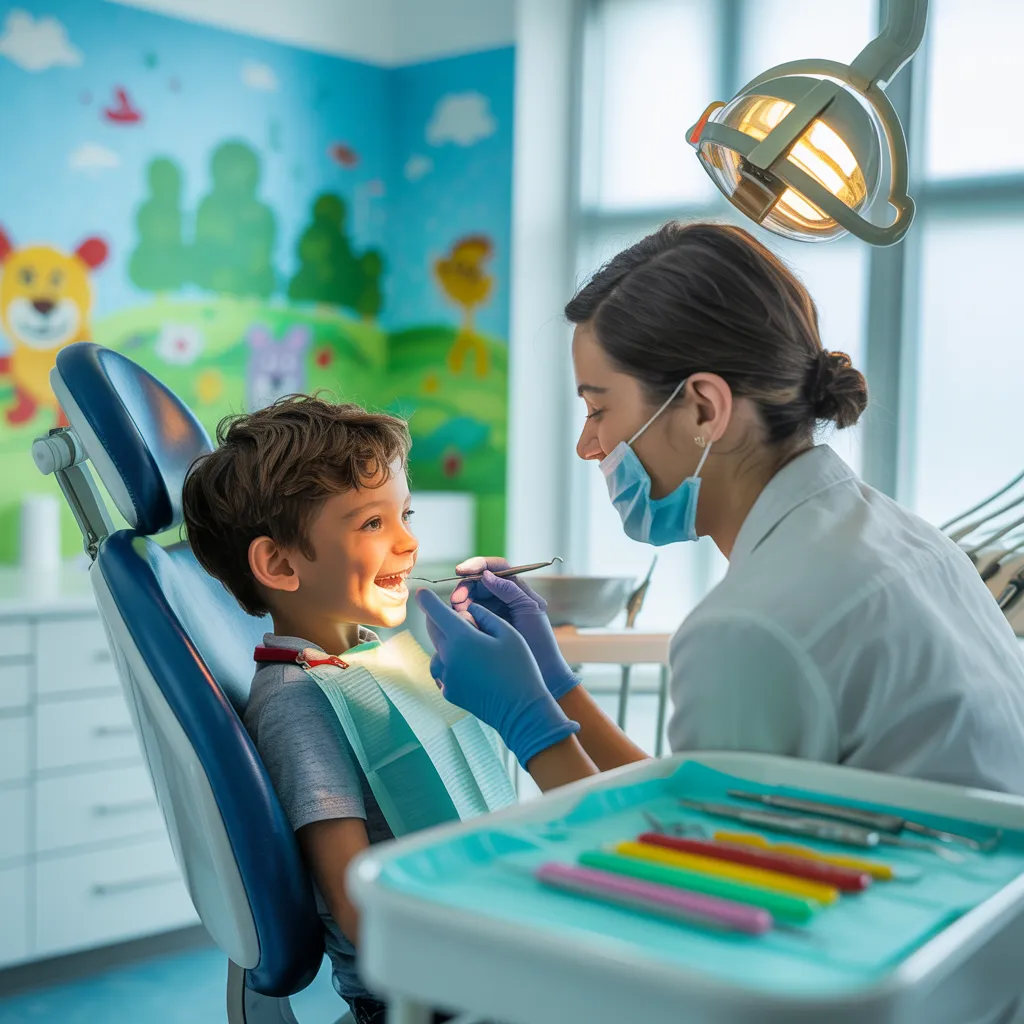
While often taken for granted, routine dental visits are critical for sustaining excellent dental well-being. These visits allow dentists and hygienists to evaluate the health of gums and teeth, detecting concerns before they develop into major complications. Prompt diagnosis of cavities, gum disease, or other oral health concerns may result in more successful and minimally invasive care.
Additionally, dental check-ups typically involve professional cleanings that eliminate plaque and tartar, lowering the chance of decay and promoting fresh breath. They also create an opportunity for patients to get personalized recommendations on proper oral hygiene habits tailored to their specific needs.
Additionally, these consultations foster a trusted relationship between people and their dentists, facilitating open discussion about any concerns. Routine dental visits in the long run contribute to long-term oral health, ensuring that people enjoy a bright smile and overall wellness throughout their life journey.
Exploring Preventive Care and Its Advantages
Preventive dental care plays a critical role in maintaining ideal oral health. Regular cleanings, combined with sealants and fluoride treatments, significantly lower the risk of cavities and gum disease. Appreciating these benefits enables people to make well-informed decisions regarding their dental health.
Routine Cleanings Importance
Regular dental cleanings act as a foundation explore of optimal oral health, highlighting the value of preventive care. Such cleanings, usually suggested every six months, aid in eliminating plaque and tartar accumulation that routine brushing can overlook. By addressing these factors, individuals can greatly reduce the risk of cavities, gum disease, and other oral health issues. Additionally, professional cleanings allow dental practitioners to identify early signs of potential problems, enabling timely intervention. This forward-thinking method not only sustains a radiant smile but also promotes overall health. People commonly enjoy fresher breath and an enhanced appearance after cleanings, affirming the emotional rewards of consistent dental visits. In the end, committing to routine cleanings supports a lifetime of optimal dental health.
Benefits Of Sealants And Fluoride
When exploring strategies for maintaining oral health, the advantages of preventive dental care options come to light. A dental sealant is protective layers applied to the occlusal surfaces of posterior teeth, successfully preventing dental caries by closing off grooves where food and bacteria can accumulate. This protective treatment is especially advantageous for kids, as their posterior teeth are commonly more prone to decay.
Fluoride treatments, in contrast, fortify tooth enamel, rendering it more resilient against acid attacks from plaque and foods. Regular use of fluoride can greatly reduce the risk of cavities. Together, sealants and fluoride create a thorough approach to preventive care, promoting long-term oral health and minimizing the need for more invasive dental procedures in the future.
What to Anticipate During Your Regular Dental Check-Up?
A standard dental visit typically involves several crucial components intended to evaluate and preserve excellent oral health. At the start, the oral health specialist performs a comprehensive evaluation of the gums, teeth, and surrounding tissues to pinpoint any concerns such as tooth decay, periodontal disease, or oral abnormalities. Following this, professional cleaning is performed, which encompasses the elimination of plaque and tartar deposits, careful polishing of each tooth, and flossing to promote gum health.
Radiographic images may also be captured to reveal underlying conditions that are not apparent during the clinical examination. The dental professional may discuss personalized oral hygiene practices and diet-related suggestions adapted to suit the patient's individual requirements. Furthermore, any required treatments or precautionary measures, such as fluoride application or sealants, may be recommended. Overall, routine check-ups are vital for early detection of potential issues, promoting lasting oral health and avoiding more severe dental complications.
Emergency Dental Treatment: Important Services to Be Aware Of
Urgent dental care is vital for handling emergency situations that may arise at any time. Common dental emergencies include severe pain, broken teeth, and infections, all of which require immediate attention. Understanding how to act and where to locate emergency dental professionals can greatly impact the results of treatment.
Common Dental Emergencies
Dental emergencies may develop suddenly, often causing significant pain and anxiety. Common dental emergencies include severe toothaches, which may indicate infections or cavities, and knocked-out teeth, demanding swift response to enhance the possibility of rescuing the tooth. Chipped or broken teeth can likewise cause discomfort and may call for prompt attention. Other situations involve abscesses, which can result in inflammation and fever, and dental appliances that crack or stop functioning properly. Every one of these circumstances calls for immediate assistance from a dental specialist to reduce additional complications and relieve discomfort. Recognizing these typical emergencies empowers individuals to respond efficiently, guaranteeing that optimal oral health is preserved and avoiding lasting harm.
Prompt Care Procedures
Comprehending emergency care protocols is essential for addressing dental emergencies successfully. When a dental urgent situation occurs, timely intervention can significantly mitigate damage and alleviate pain. Typical steps include securing a displaced tooth, washing an avulsed tooth in salt water, and placing a cold cloth to reduce swelling. For severe pain, non-prescription pain relievers may offer short-term comfort until dental treatment is obtained. In cases of bleeding, applying gentle pressure with a sterile gauze can assist in stopping it. Acknowledging the critical nature of the matter is vital; some problems may demand immediate professional evaluation. In the end, knowledge of these immediate care steps enables people to act swiftly, guaranteeing optimal results in dental emergencies.
Locating Emergency Dentists
Locating the search for emergency dentists can be intimidating, especially during a dental emergency. People often face sudden dental problems, such as acute pain, broken teeth, or infections, demanding immediate attention. To locate an emergency dentist, one can start by searching online directories and dental association websites. Examining reviews and testimonials can offer insight into a dentist's credibility and quality of care. It's also helpful to ask for recommendations from friends or family. Being aware of a dentist's office hours and whether they accept walk-ins is important, as many emergencies occur outside regular hours. Additionally, some dental practices offer round-the-clock services, guaranteeing prompt care when needed most, thereby alleviating the stress of unexpected dental emergencies.
Choosing the Right Cosmetic Dental Procedure for Your Smile
How can one identify the most suitable dental cosmetic treatment to enhance their smile? Individuals seeking cosmetic enhancements should start by considering their particular needs and objectives. A consultation with a qualified dentist can offer helpful guidance, allowing patients to explore choices such as veneers, teeth whitening, or orthodontic solutions.
Additionally, considerations such as one's oral health condition, budget, and expected results hold significant importance in the evaluation process. For example, patients experiencing discoloration might find value in dental whitening solutions, while people with alignment issues could explore traditional braces or transparent aligners.
It is important to weigh the pros and cons of each procedure and recognize the potential recovery time involved. Researching and gathering recommendations can further inform choices, ensuring individuals select a solution that aligns with their aesthetic desires and oral health. Ultimately, the ideal cosmetic dental treatment can considerably improve one's self-confidence and smile.
Comprehensive Dental Procedures: Exploring Root Canals, Implants, and Beyond
Modern dental care covers numerous treatments aimed at support and strengthen dental health. Among these, root canal procedures are critical for rescuing teeth suffering from serious decay or bacterial infection. This procedure involves extracting the damaged pulp tissue, cleaning the canal, and sealing it to prevent further issues.
Dental implants stand out as another major breakthrough, delivering a long-term answer for tooth loss. They are composed of titanium posts that are surgically placed into the jawbone, serving as artificial tooth roots for crowns that rebuild function and appearance.
Additional specialized treatments can include periodontal therapy for gum disease and oral surgery for complex cases. Each of these procedures requires advanced expertise and specialized abilities, highlighting the critical need for skilled dental professionals. By means of these advanced procedures, individuals can attain enhanced oral wellness, dental function, and smile confidence. Understanding these options empowers people to reach informed decisions about their dental care.
How to Choose the Right Dental Provider for Your Needs
Picking the right oral health professional can greatly impact a person's oral health path. Patients should examine several factors to confirm they get ideal care. First, reviewing credentials and experience is essential; a skilled dentist should possess appropriate licenses and have specific training relevant to particular needs.
Moreover, examining the selection of offered treatments can aid in identifying if a dental provider matches personal oral health goals, covering regular check-ups or advanced treatments.
Moreover, convenience factors such as location, office hours, and appointment availability should be taken into account, as these may influence how often you visit regularly.
Additionally, consulting online reviews and gathering recommendations from reliable sources can offer meaningful information about a provider's credibility and patient contentment.
Finally, discussing insurance compatibility and financial options can aid in making an informed decision. By diligently investigating these considerations, people can identify a dental provider that best meets their unique needs.
Frequently Asked Questions
When Should I Replace My Toothbrush?
Professionals advise replacing a toothbrush every three or four months, or sooner if bristles become frayed. Consistent replacement ensures thorough cleaning and supports oral hygiene, helping to prevent plaque buildup and maintain overall dental health.
Is It Safe for Children to Have Dental X-Rays?
Dental x-rays are widely regarded as safe for children when conducted properly. They involve minimal radiation exposure, and protective equipment, such as lead aprons, is utilized. Routine monitoring ensures optimal dental health while reducing exposure to possible risks.
Which Foods Should I Avoid for Improved Oral Health?
To promote better oral hygiene, people should steer clear of sweet snacks, acid-rich foods, and adhesive foods that stick to teeth. Limiting carbonated beverages and reducing refined carbohydrates also contributes positively to maintaining better dental hygiene and overall health.
Does Stress Have an Impact on My Dental Health?
Stress has a profound effect on dental health by causing poor oral hygiene practices, teeth grinding, and jaw clenching. Such habits can result in a range of dental concerns including tooth wear, gum disease, and additional oral health issues over time.
How Should I Deal With Dental Anxiety Before My Appointment?
To overcome fear of the dentist prior to dental visits, individuals can practice deep breathing, envision favorable outcomes, express anxieties to their dentist, book appointments at comfortable times, or adopt mindfulness strategies to cultivate tranquility and minimize stress during dental procedures.